
From Chaos to Control: Rethinking Worker Accommodation with a Managed Service Model
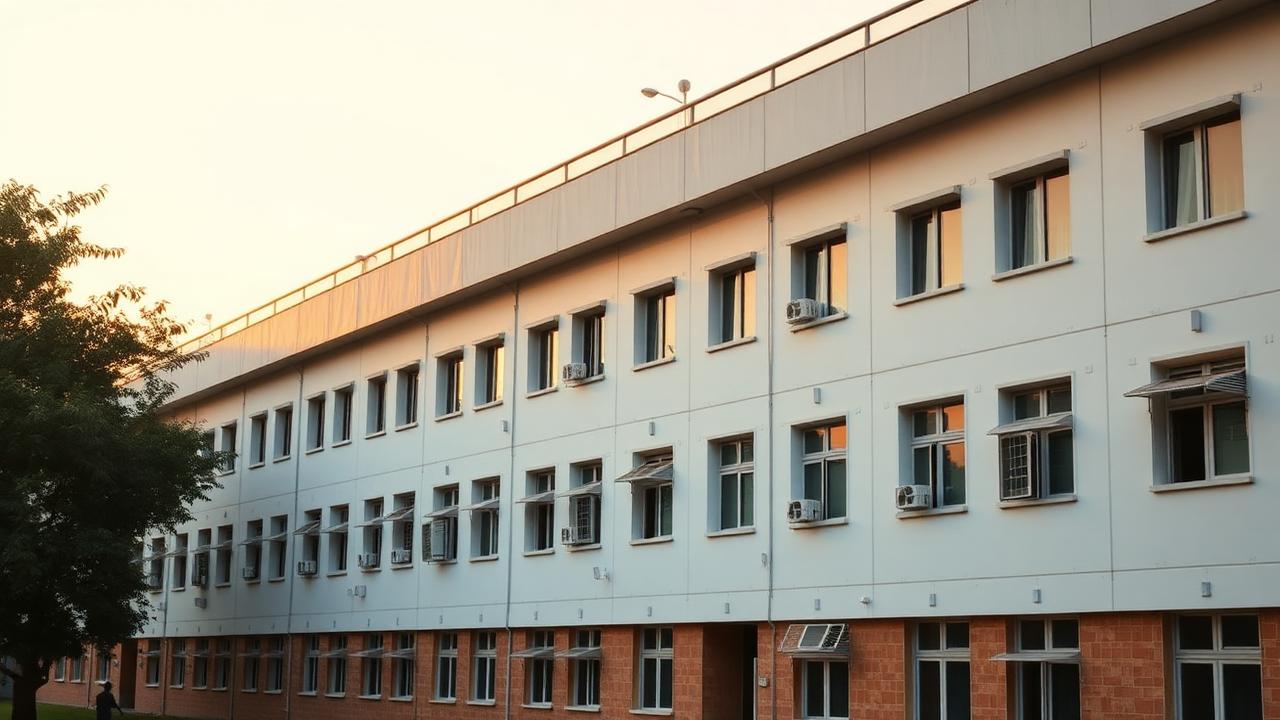
For most companies in India, worker accommodation is not designed—it just evolves.
A new site opens. Workers are hired. Rooms are arranged. Vendors are onboarded. Over time, what emerges is a fragmented system:
- Multiple landlords
- Different standards across locations
- No real-time visibility
- Constant operational firefighting
And yet, this system supports one of the most critical parts of the business—the workforce. It's time to rethink this.
The Problem: Accommodation Without Ownership
In most organizations, worker housing falls into a grey area.
- Operations teams don't fully own it
- HR focuses on hiring, not living conditions
- Contractors optimize for cost, not quality
The result? A decentralized, opaque, and inefficient system that no one truly controls. This leads to:
- Cost leakages
- Poor worker experience
- Lack of accountability
- Inconsistent standards
And most importantly—no scalability.
The Shift: Accommodation as a Managed Service
What if worker accommodation was treated like any other critical business function? Structured. Measurable. Accountable.
This is where the concept of Accommodation Management as a Service (AMaaS) comes in.
Instead of managing housing through scattered vendors and internal effort, companies move to a single, accountable partner who manages the entire accommodation ecosystem. This includes:
- Operations
- Technology
- Vendor coordination
- Continuous optimization
All under one system.
What a Managed Model Actually Solves
1. Brings Visibility to a Black Box
Most companies don't have answers to basic questions:
- How many beds are occupied today?
- What is the cost per bed across locations?
- Where are we overspending?
A centralized system provides real-time occupancy tracking, bed-level cost visibility, and standardized reporting across cities. No guesswork. Just data.
2. Eliminates Vendor Chaos
In traditional setups, multiple vendors handle food, maintenance, and utilities — with no single point of accountability and high coordination overhead. A managed model consolidates everything under one partner, reducing administrative burden, vendor fragmentation, and operational inefficiencies.
3. Standardizes Operations at Scale
Every site tends to run differently. That creates inconsistent worker experience, compliance risks, and audit challenges. With a managed system, SOPs are standardized, processes are digitized, and documentation is centralized. What you get is uniform quality across locations.
4. Enables Real Cost Control (Not Just Cost Cutting)
Most companies try to reduce accommodation costs by negotiating rent. But real savings come from:
- Optimizing occupancy
- Eliminating unused inventory
- Benchmarking costs across locations
- Improving utilization
A structured system enables data-driven optimization, not blind cost-cutting.
5. Improves Worker Experience (Which Improves Business Outcomes)
Accommodation is not just a facility—it directly impacts retention, productivity, and attendance. A managed approach introduces grievance systems, communication channels, and access to services and support. Better living conditions → better workforce stability.
The Role of Technology
A key enabler of this transformation is a centralized digital platform. Modern systems provide:
- Worker and property databases
- Check-in / check-out tracking
- Real-time dashboards
- Expense and vendor tracking
- Mobile access for workers and managers
This creates transparency, audit readiness, and better decision-making — exactly the kind of system outlined in Tikaana's model.
Beyond Management: Building a Scalable System
A strong accommodation model doesn't just manage existing setups—it enables growth. It allows companies to quickly set up new facilities near deployment sites, standardize new locations from day one, and scale without operational chaos.
With structured onboarding—from data collection to system setup to stabilization—companies can transition smoothly into a controlled, scalable environment.
The Business Impact
When accommodation is managed systematically, the impact is immediate:
- Reduced operational burden on internal teams
- Better cost efficiency through optimization
- Improved worker retention and satisfaction
- Faster scalability for new projects
- Stronger governance and compliance
Accommodation moves from being an operational headache to becoming a strategic advantage.
The Bigger Picture
India's workforce is only going to grow more mobile and more critical. But the systems supporting them must evolve. The future will belong to companies that treat worker infrastructure seriously, build structured, scalable systems, and leverage technology and specialized partners.
Where Tikaana Fits In
Tikaana's Accommodation Management as a Service (AMaaS) model is built exactly for this shift. It transforms accommodation from fragmented to centralized, opaque to transparent, reactive to optimized. By combining on-ground operations, technology platforms, and process standardization, it creates a system that works—for both the company and the worker.
Final Thought
Worker accommodation is no longer a side function. It is core infrastructure. And like any infrastructure, it needs design, systems, and accountability. Because when you bring structure to how your workforce lives, you bring stability to how your business runs.
Improve your workforce outcomes with Tikaana.
Talk to us about structured worker accommodation that pays for itself.
Talk to usMore from the blog
Site Adjacent Factory Employee Accommodation: Building the Foundation for India's Workforce Future
SAFE accommodation — professionally managed worker housing near factories and industrial hubs — is becoming critical infrastructure for India's manufacturing future.
AI and the Future of Blue-Collar Workers: From Labour to Empowerment
AI's biggest impact may not be in white-collar jobs — it could fundamentally transform how blue-collar workers live, work, learn, and grow.